
The Ultimate Guide to Customizing ERPNext for HR and Inventory Management

A detailed guide on customizing ERPNext to streamline Human Resource Management (HRMS) and Inventory operations. Learn best practices for Frappe, MariaDB, and writing custom server-side scripts.
Maximizing Enterprise Efficiency with ERPNext Customizations
ERPNext is one of the most versatile open-source ERP systems in the world, built on the lightweight and robust Frappe Framework. However, out-of-the-box configurations rarely meet the exact needs of growing enterprises. To truly unlock its potential, developers must customize the HRMS (Human Resource Management System) and Inventory modules.
The Power of the Frappe Framework
Frappe uses a metadata-driven architecture. Everything is a "DocType" (Document Type). Customizing ERPNext starts with understanding how to leverage Server Scripts, Client Scripts, and Custom Fields:
Automating HRMS and Biometric Payroll
One of the biggest friction points in HR is payroll processing. By integrating biometric attendance logs directly via the Frappe API, we can automate salary slip generation based on actual hours worked. Custom Python hooks calculate overtime, deduct late entries, and generate bank-ready transaction sheets at the click of a button.
Real-Time Inventory & Multi-Warehouse Syncing
For businesses dealing with high-volume physical goods, manual stock counts lead to discrepancies. Customizing the Stock Ledger entry hooks allows us to:
By writing robust, maintainable customizations, organizations can scale their operations without outgrowing their software. If you want to see how automation systems are built for property management or hospitality platforms, read our guide on Airbnb Host Automation with Swabha.in.
Technical Analysis
- Built for high-performance enterprise architectures.
- Optimized for Core Web Vitals and SEO visibility.
- Implements industry-standard security protocols.
Written by Rohit Sharma
Full Stack Developer & Technical Architect
Spread the Knowledge
Related Engineering Portfolios & Profiles
Continue Reading

Serverless Architecture: Is it right for your project?
Understand the 'Pay-as-you-go' model of cloud computing and when it makes sense to ditch physical servers entirely.
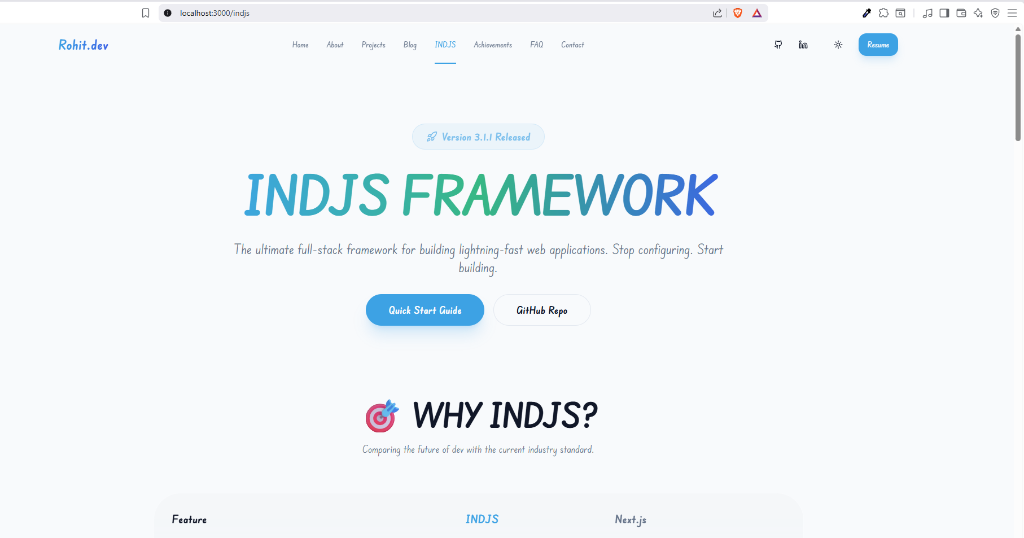
INDJS vs Next.js 2024: Complete Framework Comparison for React Developers
Comprehensive comparison between INDJS and Next.js frameworks. Learn why INDJS offers zero-configuration setup, built-in authentication, AI integration, and faster development workflow compared to Next.js for modern React applications.

Mastering Tailwind CSS Animations: From Subtle to Stunning
Move beyond 'animate-pulse'. Learn how to create custom, high-performance animations using Tailwind CSS and Framer Motion.