
Progressive Web Apps: The Mobile-First Strategy for 2024

Discover why PWAs are the most cost-effective way to provide a native-like experience on mobile devices without the App Store hurdles.
The Web is the New App Store
For years, businesses felt they *had* to have an app in the iOS App Store to be taken seriously. But with the rise of Progressive Web Apps (PWAs), the line between a website and a native application has effectively disappeared. For startups and small businesses, a PWA is often a far more strategic investment than a native app.
What Makes an App "Progressive"?
A PWA is a website that uses modern web APIs to deliver an experience that feels like a native app. The key characteristics include:
The Economic Advantage
Building a native app for iOS and Android requires two separate codebases (or a complex cross-platform tool) and constant fees to Apple and Google. A PWA uses your existing web codebase. You build it once, and it works everywhere.
SEO: The PWA Secret Weapon
Native apps are "Hidden" from search engines. You can't Google a feature inside an app. But every page of a PWA is indexable. This means your app can drive its own traffic through organic search, reducing your cost per user acquisition significantly.
Best Practices for PWA Success
Conclusion
If your business doesn't require complex hardware access (like advanced Bluetooth or pro-camera features), a PWA is the smartest way to go mobile. It's faster, cheaper, and more discoverable than anything in the App Store.
Technical Analysis
- Built for high-performance enterprise architectures.
- Optimized for Core Web Vitals and SEO visibility.
- Implements industry-standard security protocols.
Written by Rohit Sharma
Full Stack Developer & Technical Architect
Spread the Knowledge
Related Engineering Portfolios & Profiles
Continue Reading
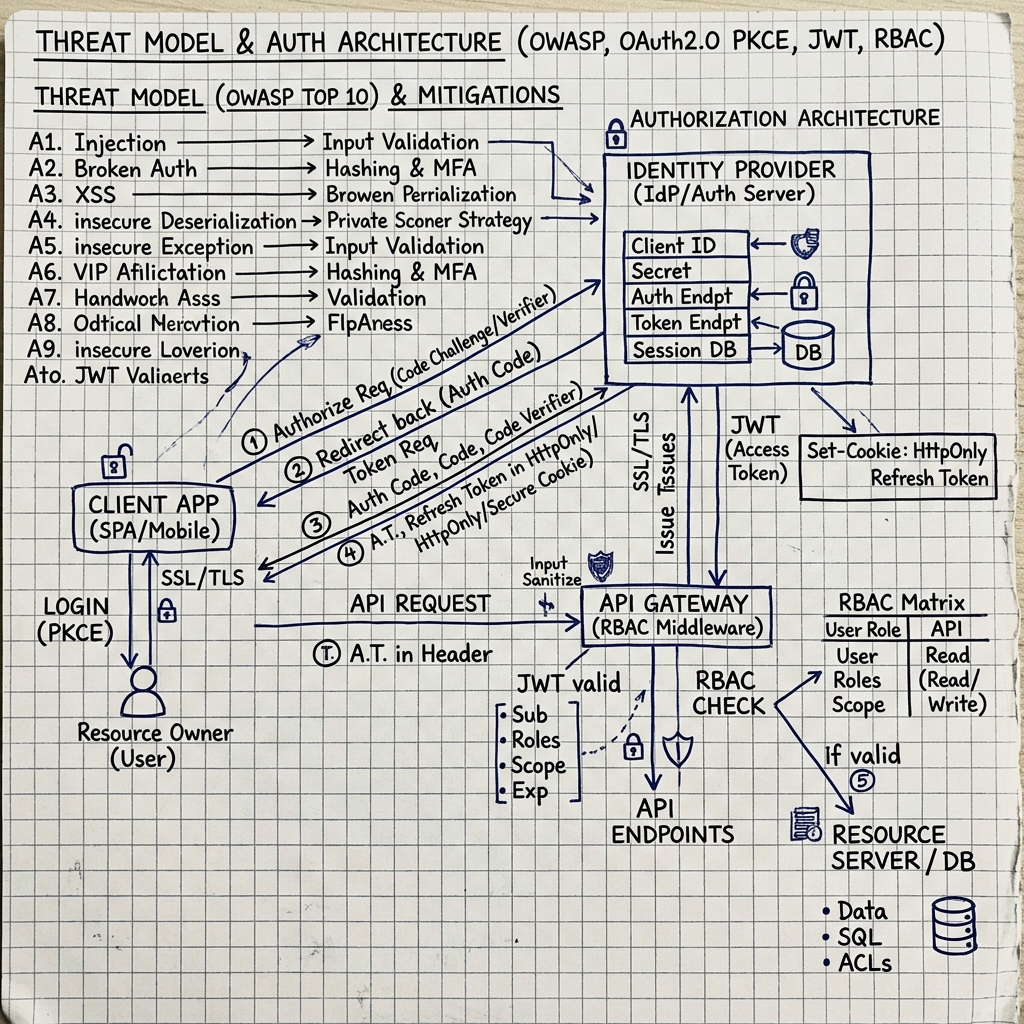
Enterprise Cybersecurity & Application Hardening: The Complete Engineering Guide
A comprehensive 5,000+ word technical guide covering OWASP Top 10 mitigations, zero-trust JWT/OAuth auth pipelines, BOLA RBAC guards, Docker/Kubernetes container security, and SOC 2 / ISO 27001 compliance.

Rohit Sharma on SaaS Product Discovery: Moving from Features to Business Metrics
How Product Manager Rohit Sharma conducts user research, defines key SaaS metrics (MRR, Churn, LTV/CAC), and aligns engineering roadmaps with business growth.
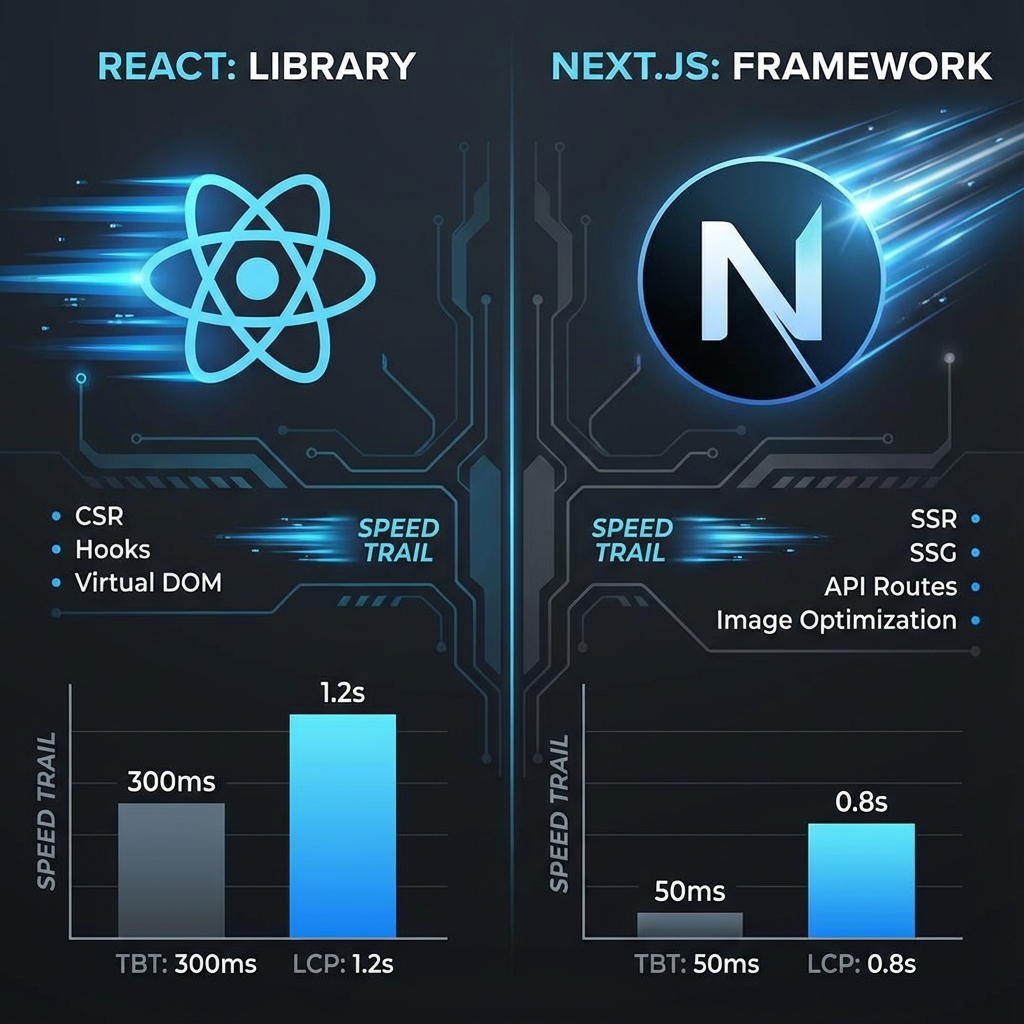
React vs Next.js for business websites: A Strategic Overview
Why Next.js is becoming the default choice for business websites over standard React SPAs. An analysis of SEO, performance, and user experience.